


Australian Wool Classing
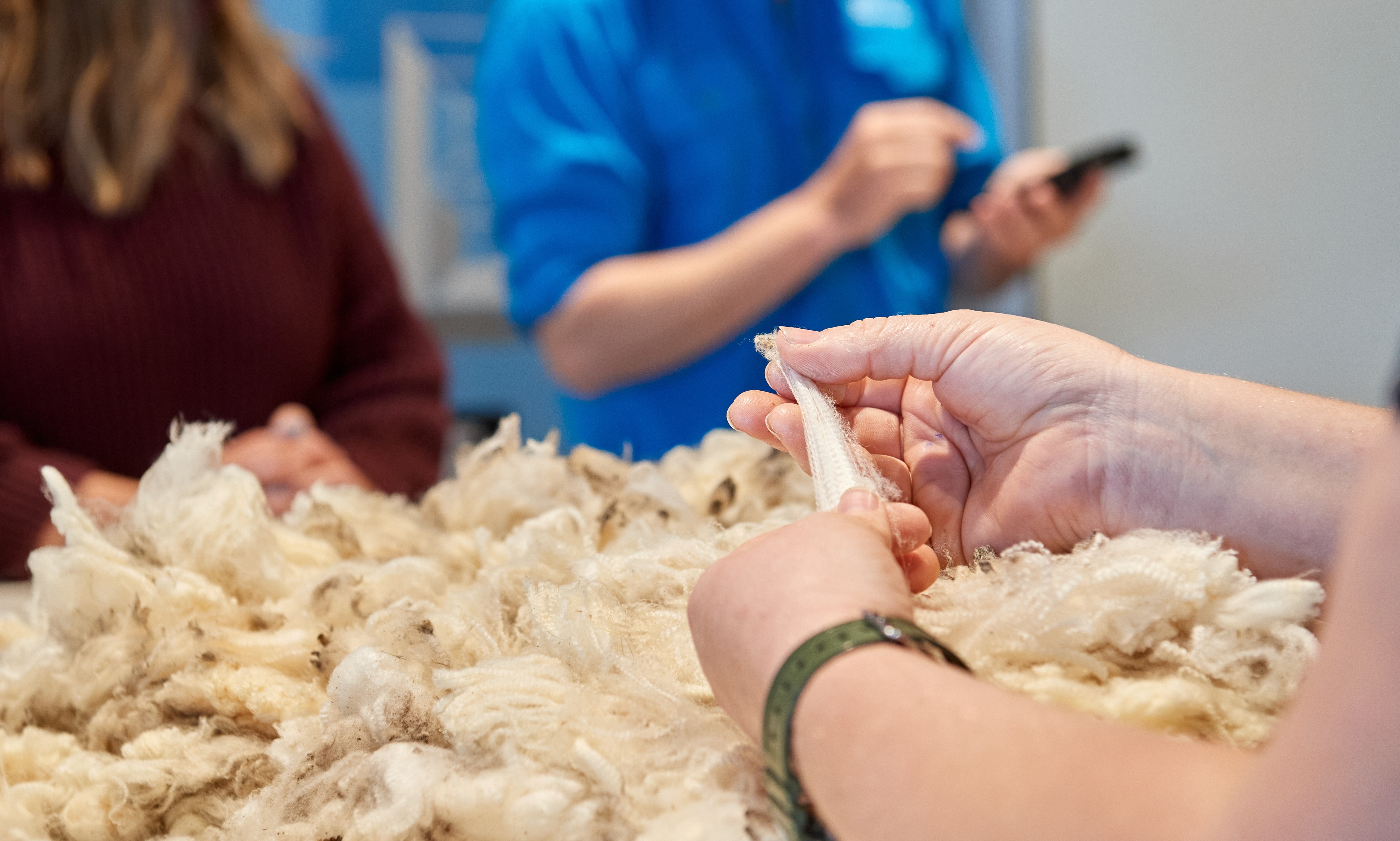
Wool Classing is the critical first step in the wool supply chain. It involves the sorting, grading, and preparation of wool into uniform lines ready for sale, enabling the raw fibre to meet the expectations of both buyers and processors.
Australia’s Wool Classers are skilled professionals, registered with AWEX and trained to uphold the Code of Practice for the Preparation of Australian Wool Clips. Their work plays a vital role in preserving the integrity, quality, and reputation of Australian wool.
By classing wool correctly, growers maximise the value of their clip, and processors receive a more consistent, high-quality product. Compliance with the AWEX Wool Classer Code of Practice strengthens the Australian wool industry’s standing as the world’s leading supplier of well-prepared, high-quality wool.
Much of this reputation is built on the skill and professionalism of Wool Classers and wool handling teams across the country who take pride in preparing the Australian wool clip to the highest standard.
There are four categories of registration for individual Wool Classers
Master Classer
Master Classers (MC) are who have completed an AWEX approved Training Program for Master Classers.
The MC is required to have the following attributes:
- Must be actively woolclassing for the last three years,
- Must class a minimum of 4 clips or 250 bales per annum on average,
- Must have ability and desire to further their wool knowledge, and
- Must demonstrate good character, judgment and capacity for leadership.
To obtain Master Classer status, attendees will be required to attend a 4-day workshop at the nominated selling centre. They must pass an open book exam at the course on the Wool Classers Code of Practice. Retention of Master Classer status will require meeting the conditions as described in the Rules for Registration.
Australian Wool Classer
A registered Australian Wool Classer (AW) is recognised as being competent to class any wool in Australia to the Code of Practice. An AW stencil may only be applied by the registered person on wool that has been classed by them, on farm. AW stencils are not to be applied to Classing House or off farm preparation environments.
Owner Classer
Registered Owner Wool Classers (OC) are registered to class ONLY wool that they have a direct interest in as outlined in the Rules of Registration.
An Owner Classer is registered only to class wool on farm from sheep that:
- they own or part own or of which they are the manager; or
- their mother and/or father owns or part owns, provided that the Owner Classer works on the property; or
- their son and/or daughter owns or part owns, provided that the Owner Classer works on the property.
Classer Associate
Classer Associates (CA) are Wool Classers that are qualified for OC or AW registration, however, they are not currently active. A CA registration preserves the original qualification and allows the Classer to receive all publications, etc. This registration maintains your details on the AWEX Register as an inactive Wool Classer and you will not receive a Stamp, Stencil. As a CA you can convert back to active status at any time, provided the Wool Classer Development Program equivalent has been completed, as outlined in the Rules.
By registering with AWEX the Wool Classer is agreeing to abide by the
Rules of Registration.
All registered Wool Classers must ensure that all greasy wool bales carrying the issued Wool Classer’s ID Number (stamp or stencil) have been prepared by Wool Classer on-farm and comply with the requirements contained in the Code of Practice for the Preparation of Australian Wool Clips.
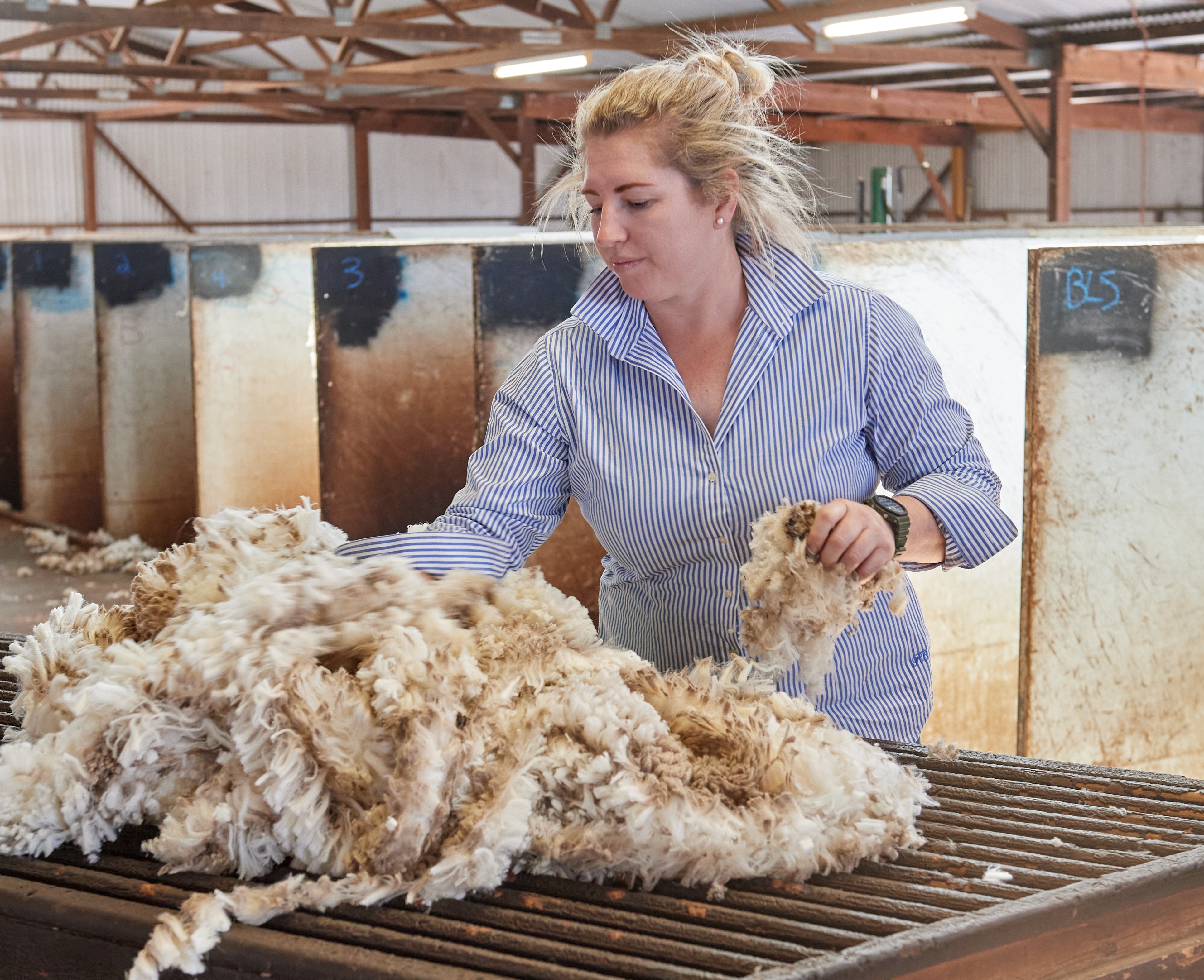
Wool Classers must comply with the Code of Practice for the Preparation of Australian Wool Clips when classing wool that will be marked with their Wool Classer Identification (Stencil). The Code of Practice has been developed, over many years, by participants in the Australian wool industry and defines the requirements for classing wool. For more information on Wool Classer Registration or the Code of Practice please contact AWEX on (02) 9428 6100 or email woolclasser@awex.com.au
Classing House
A separate category of registration is available to Organisations who prepare wool off-farm or in rehandle environments. Classing House registration is suitable for Organisations that wish to prepare wool in accordance with the Classing House Code of Practice and identify it as such when offering it for sale with a valid Classing House Stencil, while meeting the requirements set out in the Rules for Classing House Registration.
Keep Your Clip Clean
The Australian Wool industry has a long and proud history of quality wool clip preparation that is recognised and valued by our customers.
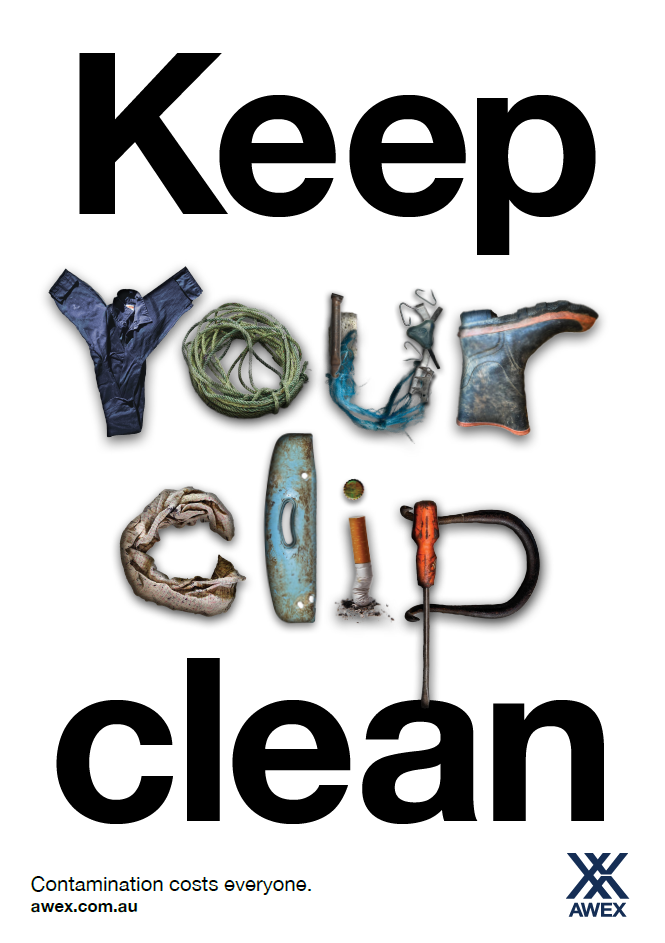
Despite this, clip contamination remains a serious concern. Contamination from items such as twine, bags, cloth, hooks, wire, and tools continue to be an issue that cause havoc in wool processing, either by damaging finetuned specialist equipment, or when processed amongst the wool fibres and contaminating, in some circumstances, an entire batch of woollen product being produced.
In partnership with our global wool processor partners, the Keep Your Clip Clean campaign raises awareness of the seriousness wool contamination can play in the Australian clip, its impacts, and how we can all help avoid it.
With ~80% of Australian wool processed in China, there is a strong message of support for Australian growers to be vigilant and to achieve a clip free of contamination from leaders in companies including China SDIC International Trade Nanjing Co., Ltd., TianYu Wool Industry Co.,Ltd, Zhejiang Redsun Wool Textile Co. Ltd, and Zhejiang New Chuwa Wool Co., Ltd.
Ms Jane Guo, Chief Marketing Officer, TianYu Wool Industry, shares the company’s “passion for Australia Merino Wool and thanks wool growers for their efforts and continuous best practice on farm for quality clip preparation”.
The Keep Your Clip Clean poster helps raise awareness of contamination using examples found in wool bales from Australia.
Click the poster image to download a hi-res digital copy of the poster.
Education and Careers
Wool Classer Education
Prior to being registered by AWEX as a Wool Classer, individuals need to undertake a Wool Classing qualification. These courses are run by Registered Training Organisations such as TAFE colleges Australia wide.
To find out more about Wool Classing courses, contact your nearest Training organisation listed on the link below
Appraiser Registration
AWEX conducts Appraiser training courses Australia wide through its regional offices. Individuals wishing to apply for Appraiser Registration must first successfully complete an Appraiser Training course.
More information on Appraiser Registration
Frequently Asked Questions
To register as an Australian Wool Classer, you need to complete the current Cert IV Wool Classing qualification, or for Owner Classer registration complete Cert III Wool Clip Preparation.
The Wool Classer rules of registration require the Registered Wool Classer to prepare lines at or above the COP standard where the Wool Classer ID (stencil/stamp) is applied to the bales.
The three objectives of classing wool to the COP are:
1. To prepare uniform, consistent, reliable, predictable, low risk lines of wool suitable for the diverse needs of wool processing; and thus maximise competition,
2. To present a product free of contamination; that is
3. Correctly documented, described and packaged.
The Code of Practice uses quality assurance principles where Wool Classers work collaboratively with owners/managers, wool marketing representatives, contractors, wool pressers, wool handlers and shearers, to meet the needs of carriers, warehouse operators, rehandle departments, wool buyers and their downstream customers.
The Code of Practice is reviewed every three years. The current version of the Code of Practice is effective from January 2025.
Technical explanations for wool classing concepts, essential preparation standards and recommended work practices are included in the Wool Classer Code of Practice (COP).
To purchase a copy of the Code of Practice contact AWEX on 02 9428 6100 or email woolclasser@awex.com.au